Reviewing Watercolor Christmas Candles for Holiday Embroidery
As we approach the peak season for handmade gifts and boutique holiday collections, the pressure to find designs that stand out without compromising stitch quality intensifies. I recently spent time evaluating Watercolor Christmas Candles, a piece from the Illustrations category, to determine its viability for real-world embroidery projects. My goal was not just to admire the aesthetic but to stress-test its practical application on various fabrics and hoop sizes. For Etsy sellers, craft business owners, and serious hobbyists, understanding how a digital file translates into a tangible, stitched product is crucial before committing to production.
First Impressions and Aesthetic Mood
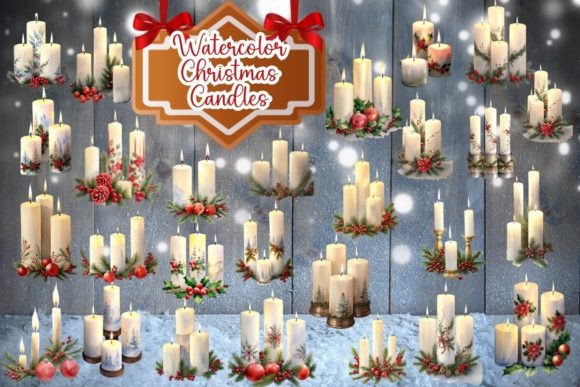
The immediate appeal of Watercolor Christmas Candles lies in its soft, atmospheric quality. Unlike rigid, vector-style graphics, this design mimics the fluid bleed of watercolor paints, creating a warm, nostalgic mood that fits perfectly with current trends in cozy, hygge-inspired home decor. The visual personality is gentle yet festive, avoiding the harsh lines that can sometimes make holiday designs feel dated or overly commercial.
From a designer’s perspective, the layout is balanced. The candle serves as the focal point, likely surrounded by subtle hints of holly, snow, or soft glow effects, depending on the specific variation within the Illustrations set. This level of detail suggests a design that relies heavily on fill stitches to achieve that painted look. It feels natural on items meant to evoke comfort, such as pillow covers, kitchen towels, or winter apparel. However, the artistic flair brings specific technical challenges that must be addressed before hitting the "start" button on your machine.
Real-World Application: The Tote Bag Test
To gauge the true potential of this machine embroidery design, I simulated a project for a small shop product: a custom embroidered tote bag. Tote bags are a staple for Etsy sellers and craft fair vendors during the holidays. I chose a medium-weight canvas fabric, which is common for these items. The Watercolor Christmas Candles design needed to hold its own against the textured weave of the canvas.
The result was promising but required careful planning. The softer edges of the watercolor style translated well, giving the impression of a hand-painted accessory rather than a mass-produced item. This enhances the perceived value of the handmade product. Customers often seek unique, artisanal touches, and this design delivers that aesthetic. However, because watercolor effects often rely on subtle color gradients, the choice of thread colors became critical. I found that using variegated threads or carefully blending shades of cream, gold, and deep red helped mimic the original digital art more effectively than solid blocks of color.
Fabric Compatibility and Stitching Challenges
While the design shines on stable fabrics like cotton twill or linen, it requires caution when applied to more challenging materials. For sweatshirt embroidery, the plush texture of fleece can swallow fine details. If the stitch density is too low, the underlying fabric may show through, breaking the illusion of the watercolor effect. Conversely, if the density is too high on a stretchy fabric, you risk puckering. I recommend using a cutaway stabilizer for knit garments to maintain shape and support the weight of the fill stitches.
Another consideration is dark fabric. Watercolor designs often feature light, airy elements. Stitching a pale candle flame on a navy or black hoodie requires excellent contrast. You might need to add an underlay or use a lighter base thread to ensure the top stitches pop. Without this step, the design could look muddy or lost in the background. For baby embroidery on soft onesies, ensure the back of the stitching is covered with a soft stabilizer to prevent irritation against sensitive skin.
Navigating Small Hoop Sizes and Details
If you plan to use this design for embroidered patch creation or small accents on caps, pay close attention to the hoop size. Watercolor styles often include delicate drips or faint background washes. In a 4x4 inch hoop, these tiny details might become indistinguishable blobs of thread. I advise zooming in on your embroidery software to inspect the smallest elements. If certain parts are too fine, consider simplifying the design or removing the tiniest running stitches that may not sew out cleanly at a smaller scale.
For curved surfaces like baseball caps, the distortion factor is real. The cylindrical shape can stretch the design horizontally. Test stitching on a scrap piece of cap material is non-negotiable here. You want to ensure the candle remains upright and proportional, not warped. This is especially important for commercial embroidery where consistency across multiple units is key to brand professionalism.
Enhancing Product Value and Brand Consistency
Integrating Watercolor Christmas Candles into your lineup can significantly boost customer trust and engagement. The design feels premium and thoughtful, which aligns well with boutique branding. When used in printable mockups for your online store, it creates an inviting visual that encourages clicks. Buyers are drawn to items that look like personalized gifts rather than generic merchandise.
For digital product sellers, offering this as part of a curated holiday bundle can increase average order value. However, always confirm licensing terms. Whether you are selling the finished product or using the digital embroidery file for client work, knowing your rights is essential. Most designers allow commercial use for physical items, but restrictions may apply to digital redistribution. Always check the specific license included with the file.
Practical Designer Notes for Success
Before launching a full production run with Watercolor Christmas Candles, follow these practical steps to ensure quality:
- Test on Scrap Fabric: Always stitch a sample on the exact fabric type and weight you intend to use for the final product. This reveals issues with tension, density, and color contrast.
- Check Thread Contrast: Lay your physical threads next to the fabric. Digital screens can be misleading. Ensure the candle glow stands out clearly against the background.
- Review Stitch Density: Use your software to analyze the density map. High-density areas may need lighter stabilizers or slower machine speeds to prevent needle breaks.
- Inspect Small Details: Zoom in to verify that tiny running stitches or satin stitch borders are wide enough to be caught by the needle consistently.
- Mockup in Black and White: Convert your preview to grayscale. If the design loses its definition without color, it may rely too much on hue rather than structure, which can be risky for stitching clarity.
- Confirm Hoop Size: Ensure the design fits comfortably within your hoop with adequate margin for stabilization.
In conclusion, Watercolor Christmas Candles is a strong contender for holiday collections, provided you respect its technical nuances. It offers a sophisticated, artistic alternative to traditional bold holiday graphics. By paying attention to fabric choice, stabilizer support, and thread selection, you can transform this applique design or standard fill-stitch file into a standout tote bag design, elegant kitchen towel accent, or cherished personalized gift. For the discerning maker, it represents an opportunity to elevate simple textiles into memorable keepsakes.