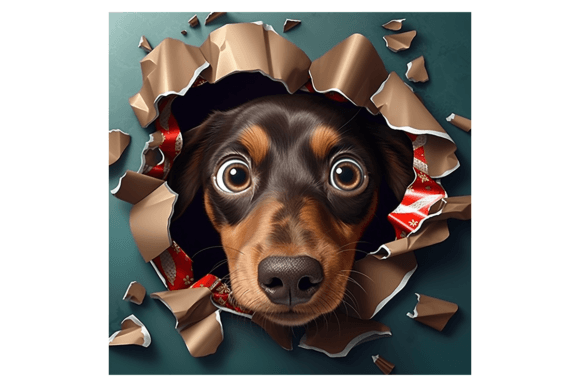
Review: Christmas Dachshund Broken Wall 1 Design
As an embroidery designer who has spent years digitizing patterns and testing them on everything from flimsy rayon to heavy denim, I have learned that a pretty preview image is only half the battle. The real test happens when the needle hits the fabric. Recently, I pulled up Christmas Dacshund Broken Wall 1 to evaluate its potential for my upcoming holiday collection. This piece falls under the category of Illustrations, which usually signals a higher level of detail and artistic intent compared to standard clipart-style motifs. My goal was to determine if this design holds up under the mechanical stress of machine embroidery and whether it offers genuine value for small business owners and crafters looking to elevate their seasonal offerings.
First Impressions and Visual Personality
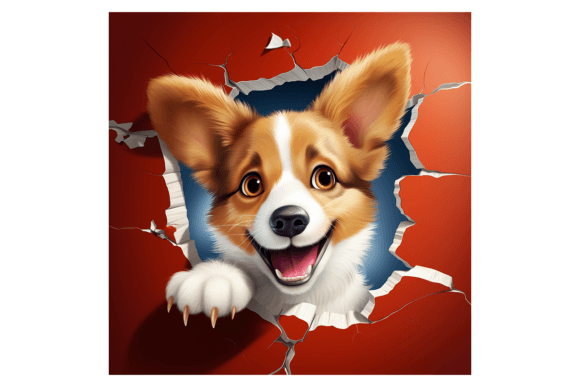
The immediate appeal of Christmas Dacshund Broken Wall 1 lies in its whimsical narrative. The concept of a "broken wall" revealing a festive scene or character is a popular trompe-l'oeil technique in digital art, but translating this into thread requires careful planning. The dachshund, a perennial favorite in pet-themed merchandise, brings an instant emotional connection. When I zoomed in on the design file, I looked specifically for how the illustrator handled the transition between the "wall" texture and the dog. In embroidery, sharp contrasts in density can cause puckering if not managed well.
The mood here is playful yet cozy, perfect for the holiday season. It does not scream for attention with neon brightness but rather invites a closer look. For an Etsy seller or boutique owner, this subtle charm is often more valuable than loud, oversized graphics because it appeals to customers seeking sophisticated, handmade aesthetics. The layout suggests a central focal point, which makes it versatile for various placements, from the chest of a sweatshirt to the center of a pillow cover.
Real-World Application: The Tote Bag Test
To truly understand the viability of this design, I imagined applying it to a canvas tote bag, a staple item for any craft business during the holidays. Canvas has a distinct weave that can interfere with fine details. If Christmas Dacshund Broken Wall 1 relies heavily on running stitch outlines for the brickwork or the dog’s fur, there is a risk of the fabric showing through, breaking the illusion of the solid wall. However, if the digitizer has used appropriate fill stitch patterns with varying angles, the texture of the bricks could look remarkably realistic.
I also considered this design for a sweatshirt embroidery project. Fleece and French terry are forgiving fabrics, but they are thick. A design with high stitch density might become stiff and uncomfortable against the skin if placed incorrectly. For a holiday gift, comfort is paramount. I would recommend placing this illustration on the upper back or as a large pocket accent rather than directly over the heart area, unless the underlay stitches are optimized to prevent bulk. The visual weight of the dachshund needs to balance with the garment’s drape.
Considerations for Small Hoops and Curved Surfaces
One critical aspect of reviewing any machine embroidery design is understanding its scalability. Can Christmas Dacshund Broken Wall 1 be shrunk down for a cap or a baby onesie? This is where the "Illustrations" category demands caution. Detailed artwork often loses clarity when reduced. The tiny cracks in the wall or the specific expression on the dachshund’s face might merge into a blob of thread if the hoop size is too small.
For curved surfaces like baseball caps, the distortion factor is significant. If the design includes straight horizontal lines representing the wall, these will appear curved once stitched on a rounded crown. I advise designers to simulate this distortion in their software before stitching. If the design relies on perfect geometric symmetry for the wall effect, it might look awkward on a hat. In such cases, it is better suited for flat items like tote bag design applications, aprons, or framed hoop art.
Fabric and Thread Interactions
The success of this design hinges on thread choice. A Christmas Dacshund Broken Wall 1 motif likely requires a mix of matte and slightly shiny threads to differentiate the rough texture of the wall from the smoother coat of the dog. Using a single type of thread throughout would flatten the image. I recommend testing with polyester threads for durability, especially if the final product is a personalized gift intended for frequent washing, such as a kitchen towel or a child’s outfit.
Fabric texture plays a massive role here. On dark fabrics, the lighter colors of the wall or the dog’s highlights need sufficient saturation to pop. If the embroidery file uses sparse stitching for shading, the dark background might peek through, ruining the contrast. Always run a test stitch-out on scrap fabric of the same color and weight as your final product. This step is non-negotiable for professional commercial embroidery work. It saves time, materials, and reputation.
Stabilizer Selection and Stitch Density
Given the illustrative nature of the piece, proper stabilization is key. A cut-away stabilizer is generally safer for designs with moderate to high density, ensuring the fabric does not distort over time. If you are stitching on a stretchy fabric like a jersey t-shirt, a fusible tear-away might not provide enough support for the detailed areas of the broken wall effect. The tension between the top thread and bobbin must be balanced to prevent looping, which would be particularly noticeable in the open spaces of the design.
Check the stitch count if available. While I do not have the exact numbers for Christmas Dacshund Broken Wall 1, a complex illustration can easily exceed 10,000 stitches. High stitch counts increase production time and thread costs. For a small shop product, margin calculation is essential. If the design takes twenty minutes to stitch, can you price the finished item competitively while still making a profit? These are the practical questions every digital product seller and maker must ask before committing to a new design asset.
Commercial Viability and Brand Consistency
From a branding perspective, this design fits well within a niche that values humor and warmth. It is not just a generic holiday symbol; it tells a story. This narrative quality enhances buyer engagement on social media platforms where behind-the-scenes content thrives. Showing the process of stitching the dachshund emerging from the wall can create compelling video content for Instagram or TikTok, driving traffic to your Etsy listings or website.
However, always verify the license terms. Just because you purchased the digital embroidery file does not automatically grant unlimited commercial rights. Some designers restrict the number of physical items you can sell, while others require an extended license for mass production. Confirming this before launching a custom apparel line protects your business from legal issues. If the license allows, this design could be a standout element in a broader collection of pet-themed holiday goods, creating a cohesive brand identity.
Final Verdict for Makers
Christmas Dacshund Broken Wall 1 is a strong contender for holiday projects, provided you respect its technical requirements. It is not a plug-and-play solution for every fabric or hoop size. It demands thoughtful material selection, precise stabilization, and an understanding of how illustrative details translate to thread. For the experienced maker, these challenges are part of the creative process. The result—a high-quality, eye-catching finished product—is worth the effort. Whether you are creating a one-of-a-kind embroidered patch or a batch of festive towels, this design offers the charm and complexity needed to stand out in a crowded market. Treat it with the care it deserves, and it will serve your craft business well.