Reviewing Christmas Derocation Clipart for Embroidery
As a designer who has spent countless hours digitizing and stitching out holiday motifs, I approach every new asset with a mix of curiosity and caution. The holiday season is the busiest time for any craft business, and the difference between a best-selling item and a returned product often comes down to the quality and suitability of the chosen graphics. Recently, I evaluated Christmas Derocation Clipart to determine its viability for real-world embroidery projects. This isn’t just about whether the image looks cute on a screen; it is about how those lines translate into thread, how they hold up on fabric, and whether they add genuine value to a handmade product.
First Impressions and Visual Personality
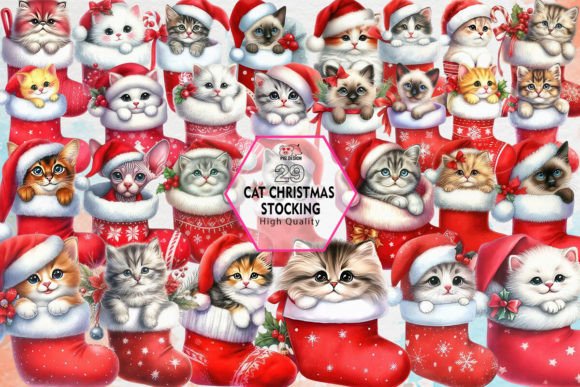
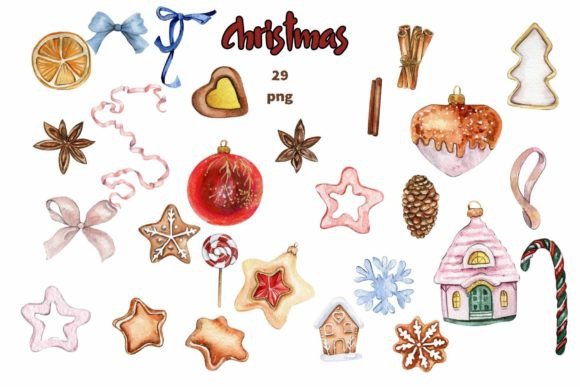
When I first opened the files for Christmas Derocation Clipart, my immediate observation was regarding the clarity of the lines. In the world of Illustrations intended for stitch-out, clean vector paths are non-negotiable. This collection presents a distinct visual personality that leans towards festive charm without becoming overly cluttered. For an embroidery designer, this is crucial. Overly complex details often get lost in translation when converted from a digital image to physical stitches.
The mood created by these designs is warm and inviting, perfectly suited for the holiday season. However, from a technical standpoint, I looked closely at the spacing between elements. In embroidery, negative space is just as important as the design itself. If elements are too close together, you risk thread breaks or puckering. The layout of Christmas Derocation Clipart appears thoughtful, offering enough breathing room for standard fill stitch and satin stitch applications. This suggests that the designer understands the mechanical limitations of embroidery machines, which is a promising sign for anyone looking to use these assets in commercial work.
Real-World Application: The Tote Bag Test
To truly understand the potential of these assets, I mentally walked through a common scenario: creating a custom tote bag design for a local boutique. Tote bags are typically made from canvas or heavy cotton, which provides a stable base for embroidery. I imagined placing one of the larger motifs from Christmas Derocation Clipart on the front panel.
In this context, the design’s scale matters immensely. A motif that looks delicate on a computer monitor might disappear on a textured canvas if it is too small. Conversely, if it is too large, it could distort the fabric. Based on the visual weight of the clipart, I believe these designs would perform exceptionally well as central focal points on tote bags, aprons, or pillow covers. The boldness of the shapes ensures that the thread colors pop against the natural beige or white background of typical tote materials. For an Etsy seller, this means the product will photograph well, capturing the attention of shoppers scrolling through digital marketplaces.
Apparel and Custom Gifts
Beyond home goods, I considered how these designs would function on custom apparel. Imagine a cozy fleece sweatshirt or a structured cap. For sweatshirt embroidery, the plush texture of the fabric can swallow up fine details. The robust nature of Christmas Derocation Clipart suggests it would hold its own against the pile of fleece or terry cloth. However, for thinner fabrics like a baby onesie, caution is required. While the designs are charming for baby embroidery, one must ensure that the stitch density is adjusted appropriately to prevent the garment from becoming stiff or uncomfortable against sensitive skin.
For personalized gift items, such as monogrammed stockings or kitchen towels, the versatility of these illustrations is a major asset. They can serve as standalone decorative elements or be combined with text. When pairing clipart with lettering, it is vital to maintain visual balance. The playful yet structured style of this clipart complements both script and block fonts, allowing for creative combinations that enhance the perceived value of the finished product.
Technical Considerations and Fabric Constraints
No design works universally across all materials. When working with Christmas Derocation Clipart, there are specific scenarios where extra care is needed. For instance, using these designs on stretchy fabrics like jersey knits requires a high-quality cut-away stabilizer to prevent distortion. Without proper stabilization, even the best-designed clipart can look warped after washing.
Additionally, consider the hoop size limitations. If you are working with a smaller hoop, such as a 4x4 inch frame commonly used for caps or patches, you may need to resize the design. Resizing too much can affect stitch integrity. It is always advisable to check the original dimensions of the digital embroidery file before committing to a project. If the design includes tiny details, shrinking it below a certain threshold might cause those details to merge or become indistinguishable.
Dark fabrics present another challenge. If you are stitching on navy or black fabric, you must ensure that the thread colors provide sufficient contrast. Lighter threads may require an underlay stitch or even an applique base to prevent the dark fabric from showing through the stitches. While Christmas Derocation Clipart is versatile, testing on scrap fabric is the only way to guarantee the desired effect on darker materials.
Enhancing Brand Value and Customer Trust
For small shop product creators, the choice of design assets directly impacts brand perception. High-quality, well-executed embroidery signals professionalism. Using clear, crisp designs like those found in Christmas Derocation Clipart helps build customer trust. When a buyer receives a product where the stitching is clean and the design is recognizable, they are more likely to leave positive reviews and return for future purchases.
Furthermore, these assets can be used in printable mockup creations for online listings. Before you even stitch a single thread, you can use these illustrations to create compelling product images. This allows creative entrepreneurs to test market interest and refine their product offerings without incurring material costs. It is a smart strategy for managing inventory and reducing waste in a craft business.
Practical Designer Notes for Best Results
To get the most out of Christmas Derocation Clipart, I recommend following a few practical steps. First, always verify the licensing terms. Ensure that the usage rights align with your intended application, whether it is for personal use or commercial embroidery sales. Second, perform a test stitch on a similar fabric to your final product. This allows you to adjust tension and density settings on your machine.
- Check Stitch Density: Ensure the design is not too dense for lightweight fabrics to avoid puckering.
- Contrast Testing: View the design in black and white to assess shape clarity without color distraction.
- Stabilizer Selection: Match your stabilizer type to the fabric weight and stretch.
- Thread Quality: Use high-quality rayon or polyester threads to enhance the visual appeal of the satin and fill stitches.
In conclusion, Christmas Derocation Clipart offers a solid foundation for holiday-themed design assets. Its strength lies in its balanced composition and adaptability across various embroidery file applications. By understanding the technical nuances of how these illustrations interact with different fabrics and machine settings, designers can create stunning, professional-grade items that resonate with customers. Whether you are making a single embroidered patch for a friend or producing a line of holiday embroidery products for your shop, these designs have the potential to elevate your work when used with intention and skill.