Gingerbread House Clipart: A Designer’s Review
As an embroidery designer who has spent years translating digital art into thread, I approach every new Gingerbread House, Christmas Clipart file with a mix of excitement and healthy skepticism. We have all seen those cute holiday graphics online that look perfect on a screen but turn into a tangled mess of thread breaks and puckering once they hit the fabric. When I first opened this specific set of Illustrations, my immediate goal was not just to admire the aesthetic, but to determine if it could hold up under the needle in a real-world production environment.
The first impression is undeniably warm. The design captures that nostalgic, storybook charm associated with classic holiday baking. However, for those of us running small shops or fulfilling custom orders, charm does not pay the bills; reliability does. I needed to know if the lines were clean enough for crisp stitching and if the details were substantial enough to survive the wash cycle. This review breaks down how this design performs when moved from a digital asset to a tangible, stitched product.
Visual Appeal and Stitching Clarity
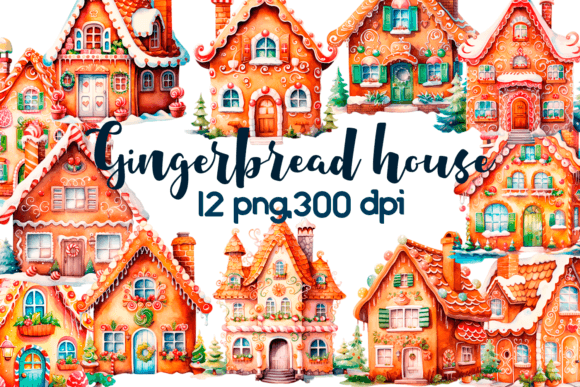
The layout of the Gingerbread House, Christmas Clipart is balanced, which is crucial for embroidery. In digital design, you can hide imperfections with gradients, but in embroidery, every shape must be defined by stitch direction and density. This design features distinct architectural elements—rooflines, windows, and decorative icing details—that translate well into stitch types. The thicker outlines suggest a robust satin stitch application, which provides a raised, textured look that customers love in holiday items. Thinner interior details likely require a precise running stitch or a light fill stitch to maintain clarity without adding unnecessary bulk.
What stands out is the visual personality. It is whimsical but not overly chaotic. For an embroidery project, this is a significant advantage. Overly complex designs often suffer from "muddiness" where small details merge together. Here, the separation between the house structure and the decorative elements allows the eye to rest, ensuring the final image remains recognizable even from a distance. This clarity directly impacts the perceived value of the finished product. A clean stitch-out signals professionalism, whereas a messy one can make even the most expensive fabric look cheap.
Real-World Application: From Screen to Sweatshirt
To truly test the viability of this design, I imagined a typical scenario for an Etsy seller or boutique owner: creating a limited run of holiday-themed apparel. I visualized placing this Gingerbread House, Christmas Clipart on the left chest of a heavy-weight cotton sweatshirt. This is a popular custom apparel item during the fourth quarter. The design’s compact nature fits perfectly within standard hoop sizes, making it ideal for this placement. The warmth of the gingerbread tones contrasts beautifully against heather gray or navy fabrics, creating a cozy, inviting look that appeals to buyers seeking unique holiday embroidery.
Beyond apparel, this design shines in home decor applications. Imagine it stitched onto a linen tote bag design or a kitchen tea towel. The thematic relevance is obvious, but the practicality is what sells it. For a personalized gift, such as a monogrammed apron for a baking enthusiast, this clipart serves as a perfect focal point. It anchors the design without overwhelming the text. For craft business owners, versatility is key. A design that works on both a rigid canvas tote and a soft fleece blanket is a valuable asset in your library of design assets.
Navigating Fabric and Hoop Constraints
While the design is strong, it is not without its challenges. Embroidery is a physical medium, and fabric behavior dictates success. When working with this machine embroidery design, attention must be paid to stitch density. If the original file is dense, using it on thin or stretchy fabrics like jersey knits or silk blends requires caution. Without proper stabilization, the weight of the thread can cause the fabric to pucker, distorting the straight lines of the house.
I recommend always testing the embroidery file on scrap fabric identical to your final product. For curved surfaces, such as caps or hats, the design’s width becomes a critical factor. If the house is too wide, it may wrap around the curve of the cap, causing visual distortion. In such cases, scaling the design down or choosing a flatter placement area is necessary. Additionally, dark fabrics present a challenge if the design relies on light thread colors. While the contrast can be striking, it requires high-quality thread to prevent the background fabric from showing through gaps in the stitching. A thorough review of thread colors and potential underlay stitches is essential before committing to a full production run.
Commercial Viability and Brand Consistency
For small shop product creators, consistency is brand currency. Using a high-quality Gingerbread House, Christmas Clipart helps maintain a cohesive look across your printable mockup listings and actual products. When customers see a crisp, well-stitched image in your photos, they trust that the physical item will match. This trust drives engagement and reduces return rates. Furthermore, using licensed digital embroidery file resources correctly protects your business. Always confirm the licensing terms before selling finished items. Some creators allow personal use only, while others permit commercial sales. Knowing this distinction is vital for any serious commercial embroidery operation.
The design also lends itself well to applique design techniques if you wish to reduce stitch count and add texture. By using felt or fabric pieces for the main body of the house and only stitching the details, you can create a different aesthetic that is faster to produce and softer to the touch. This is particularly effective for baby embroidery items, where bulky stitching might be uncomfortable against sensitive skin. Adapting the design in this way shows a level of craftsmanship that discerning buyers appreciate.
Practical Notes for the Embroiderer
Before you load this design into your machine, consider these practical steps to ensure the best outcome:
- Check the Stabilizer: Use a cut-away stabilizer for stretchy fabrics and a tear-away for woven materials. The right support prevents distortion.
- Test Thread Contrast: Run a test stitch-out to see if your chosen thread colors pop against the fabric. Adjust brightness if necessary.
- Inspect Small Details: Zoom in on the digital file. Are the tiny icing dots too small? They might need to be enlarged or simplified to stitch cleanly.
- Verify Hoop Size: Ensure the design fits comfortably within your hoop with adequate margin for clamping.
- Review Licensing: Confirm that your use case aligns with the creator’s terms for craft business sales.
In conclusion, this Gingerbread House, Christmas Clipart offers a charming, versatile option for holiday projects. It balances aesthetic appeal with structural integrity, making it suitable for a wide range of applications from sweatshirt embroidery to decorative patches. By approaching it with a designer’s eye for detail and a maker’s respect for materials, you can transform this digital illustration into a standout handmade product that delights customers and elevates your brand.