Vintage Christmas Deer Clipart: Brand Review
As a brand designer and content marketer, I approach every graphic design asset with a critical eye. It is not enough for an image to be pretty; it must perform. It must communicate tone, support visual hierarchy, and align seamlessly with broader marketing goals. Recently, I evaluated Vintage Christmas Deer Clipart for a holiday campaign involving a boutique lifestyle brand. The goal was to refresh their seasonal social media visuals and create a cohesive set of printable promotions. Here is my professional review of how this asset holds up in real-world branding scenarios.
First Impressions: Nostalgia Meets Professional Polish
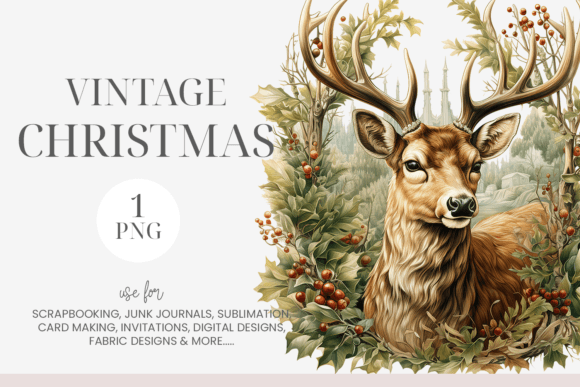
The immediate impact of Vintage Christmas Deer Clipart is one of warm nostalgia. In an era where digital noise is overwhelming, audiences crave authenticity and comfort. This illustration delivers that emotional tone effectively. The lines are clean yet possess the organic imperfections typical of vintage engraving styles, which prevents the design from feeling sterile or overly corporate. For brand owners, this is crucial. It signals a handmade, thoughtful approach rather than mass-produced genericism.
From a perception standpoint, this asset bridges the gap between casual charm and premium aesthetics. It feels suitable for lifestyle content, event promotions, and editorial graphics. It does not scream "discount bin"; instead, it whispers "curated experience." This distinction is vital for small business branding, where audience trust is built on consistent, high-quality visual cues. The mood is serene and traditional, making it an excellent choice for brands that value heritage, nature, or slow living.
Strategic Application in Marketing Campaigns
Integrating Vintage Christmas Deer Clipart into a marketing workflow requires understanding its versatility. During my review, I tested this asset across several key touchpoints to determine its efficacy as a core component of a design bundle.
- Social Media Graphics: The clipart performs exceptionally well on Instagram and Pinterest. When used as a central element in a square post, it draws the eye without overpowering the caption. For Pinterest pins, the vertical orientation of many deer illustrations allows for elegant layering with text overlays, creating high-click-through visuals.
- Packaging Design and Product Labels: For physical products, this illustration adds significant perceived value. Placed on a kraft paper sticker or a minimalist box, it elevates the unboxing experience. It works particularly well for candle makers, artisanal food producers, and boutique clothing lines looking to add a seasonal touch to their packaging design.
- Email Banners and Web Design: In email marketing, the asset serves as a strong hero graphic. It breaks up text-heavy newsletters and provides a visual anchor for seasonal offers. On website headers, it can be used subtly to indicate a seasonal shift in inventory or messaging without requiring a full site redesign.
- Printable Promotions and Lead Magnets: As a printable design, the resolution and clarity are paramount. This asset maintains its integrity when scaled for flyers, posters, and gift tags. It is an ideal candidate for creating free downloadable content, such as holiday planners or greeting cards, which serve as powerful lead magnets for online coaches and content creators.
Enhancing Visual Hierarchy and Brand Identity
A common mistake in content marketing is clutter. Marketers often throw too many elements onto a canvas, diluting the message. Vintage Christmas Deer Clipart helps combat this by providing a strong focal point. Its detailed yet contained form allows designers to build visual hierarchy around it. You can place bold, sans-serif typography next to the intricate lines of the deer to create contrast, or pair it with a delicate script font for a softer, more romantic feel.
This asset supports brand identity by reinforcing consistency. When used across multiple platforms—from Facebook ads to blog graphics—it creates a recognizable visual thread. Audience recognition increases when they see the same stylistic elements repeated. This consistency builds professional appearance and audience trust, two pillars of successful small business branding. Furthermore, the emotional connection fostered by the vintage aesthetic can lead to higher engagement rates, as users are more likely to share content that resonates with their personal values and aesthetic preferences.
Where to Use It—and Where to Exercise Caution
While versatile, this illustration is not a universal solution. Understanding its limitations is key to maintaining professional branding standards.
Best Use Cases:
- Hero Graphics and Campaign Headers: Let the deer take center stage in minimal layouts.
- Decorative Brand Elements: Use smaller versions as watermarks or corner accents in editorial design.
- Merchandise and Stickers: The clear lines translate well to die-cut stickers and apparel prints.
Use with Caution:
- Dense Information Layouts: Avoid placing this detailed clipart behind blocks of small text. It will compete for attention and reduce readability.
- Low-Contrast Backgrounds: Vintage styles often rely on fine lines. Ensure there is sufficient contrast between the asset and the background color, especially in digital ads where screen quality varies.
- Formal Corporate Branding: If your brand voice is strictly modern, tech-focused, or ultra-minimalist, this vintage aesthetic may clash. It works best for brands with a human-centric, warm, or traditional voice.
- Small Mobile Graphics: Test the asset at thumbnail size. Intricate details may blur on small screens. Simplify the composition or increase the scale of the deer if using it in mobile-first social media graphics.
Practical Designer Notes for Implementation
Before launching any campaign using Vintage Christmas Deer Clipart, I recommend a rigorous testing phase. First, test the asset against your existing brand color palette. While black and white is classic, experimenting with deep greens, burgundies, or muted golds can enhance the vintage feel. Check how it looks in monochrome to ensure it remains legible without color reliance.
Typography pairing is another critical step. I found that this clipart pairs beautifully with serif fonts for a traditional look, but also holds its own against bold, modern sans-serifs for a contemporary twist. Avoid overly decorative display fonts that might compete with the intricate lines of the deer. Always review spacing and balance; give the illustration breathing room. Crowding it with other elements diminishes its impact.
Finally, confirm your licensing. Whether you are creating a Canva template for resale, designing product labels for client work, or running paid commercial design campaigns, ensure you have the appropriate commercial license. Using assets correctly protects your business and respects the creators in the creative marketplace. By treating this digital product with strategic intent, you transform a simple image into a powerful tool for modern design and effective communication.
In conclusion, Vintage Christmas Deer Clipart is a robust addition to any designer’s toolkit. It offers the flexibility needed for diverse marketing visuals while maintaining a distinct, emotionally resonant character. For brand owners and content creators looking to elevate their holiday presence, this asset provides the perfect blend of tradition and professionalism.