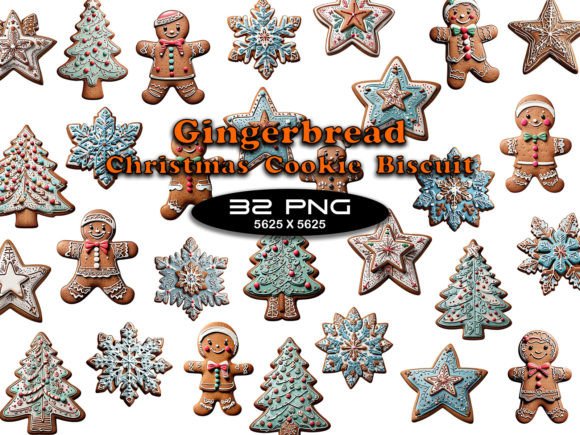
Gingerbread Cookies Christmas Card Illustrations
As a digital publisher who has spent over a decade refining the visual identity of high-traffic lifestyle blogs, I have learned that the difference between a scroll-past and a click-through often comes down to a single graphic element. When I first opened the files for the Gingerbread Cookies Christmas Card, my immediate reaction was one of relief. In an era where stock imagery can feel sterile or overly generic, this asset brings a tangible warmth to the screen. It does not just look like a picture; it feels like an invitation. For bloggers, affiliate marketers, and content creators preparing their Q4 editorial calendars, finding assets that balance professional polish with genuine seasonal charm is a constant challenge. This collection meets that need with surprising versatility.
Setting the Editorial Mood and Reader Perception
The primary strength of these Illustrations lies in their ability to establish an instant emotional connection. The visual language here is distinctly cozy, leaning into a nostalgic, hand-crafted aesthetic that resonates deeply with audiences in the home decor, baking, parenting, and DIY niches. When you place the Gingerbread Cookies Christmas Card graphics at the top of a blog post, you are signaling to the reader that the content within is approachable, friendly, and curated with care. This is crucial for building reader trust. In editorial design, mood is everything. These assets avoid the cold, corporate feel that plagues many modern web design templates, instead offering a decorative yet clean look that supports a lifestyle-focused narrative.
For those of us managing small business branding, consistency is key. These graphics do not scream for attention; rather, they support the headline. They create a soft, welcoming atmosphere that encourages users to stay on the page longer. Whether you are running a food blog, a family lifestyle site, or a boutique e-commerce store, the playful yet refined nature of these cookies helps humanize your brand. It suggests that there is a real person behind the screen, which is a powerful tool in today’s automated digital landscape.
Real-World Publishing Applications
From a practical workflow perspective, I tested these assets across several common publishing scenarios. The results were impressive. Here is how you can integrate this graphic design asset into your current content strategy:
- Blog Featured Images: The composition works exceptionally well as a hero image. It provides enough negative space for overlaying text without cluttering the visual hierarchy.
- Pinterest Pins: Vertical layouts benefit greatly from these illustrations. They act as eye-catching anchors that stop the scroll in a crowded feed, improving click-through potential significantly.
- Newsletter Headers: Email marketing relies heavily on visual appeal to improve open rates. Using these graphics in your December newsletters can boost engagement by creating a festive, exclusive feel.
- Digital Products and Lead Magnets: If you are creating a digital guide on holiday hosting or a printable design for gift tags, these elements serve as perfect decorative accents that increase the perceived value of your digital download.
- Social Media Graphics: They are ideal for Instagram carousels or Facebook ads, particularly for affiliate marketing campaigns promoting kitchenware, baking ingredients, or holiday decor.
By incorporating these visuals into your content marketing mix, you create a cohesive brand identity that spans across platforms. Whether it is a website header or a Canva template for your stories, the consistent use of this style reinforces recognition.
Enhancing Visual Hierarchy and Performance
One of the most overlooked aspects of creative design is how an image supports the text. The Gingerbread Cookies Christmas Card illustrations are designed with clear focal points. This aids in establishing a strong visual hierarchy. When a reader lands on your page, their eye is drawn to the warm tones of the gingerbread, then naturally guided to your headline. This subtle directional cue can lower bounce rates and improve time-on-page metrics.
Furthermore, using high-quality, unique design assets rather than generic stock photos helps your content stand out in search results and social feeds. It signals professionalism. When your blog graphics look custom-made, readers subconsciously attribute higher authority to your advice. This is particularly important for monetized sites where commercial design quality directly impacts conversion rates for affiliate links or product sales.
Strategic Placement and Cautionary Notes
While these illustrations are versatile, they are not a one-size-fits-all solution. They work best in contexts that allow them to breathe. Use them as hero images, article thumbnails, or standalone accents in white space. However, exercise caution when using them in small mobile thumbnails where intricate details might get lost. Additionally, avoid placing them against low-contrast backgrounds or busy patterns, as this can diminish their impact.
These assets are less suitable for serious professional niches such as legal, financial, or heavy industrial corporate content. The playful, seasonal nature of the Gingerbread Cookies Christmas Card might clash with the tone required for those sectors. Always consider your audience’s expectations. If your modern design system is strictly minimalistic and monochromatic, these colorful, textured illustrations may require careful color grading to fit seamlessly.
Practical Publisher Notes for Implementation
Before launching these assets on your live site, I recommend a few technical checks to ensure optimal performance and aesthetics:
- Test Across Devices: Preview the images on both desktop and mobile screens. Ensure the details remain crisp on retina displays and do not appear pixelated on smaller devices.
- Typography Pairing: Experiment with different font styles. These illustrations pair beautifully with serif fonts for a classic look, sans serif for a modern twist, and handwritten or script fonts for a personal touch. Avoid overly ornate display fonts that might compete with the detailed artwork.
- File Optimization: Check the file size. Large images can slow down your site, hurting SEO. Compress images properly using tools like TinyPNG or ShortPixel to maintain quality while ensuring fast load times.
- Licensing Verification: Always confirm the commercial license terms before using these assets on monetized websites, affiliate pages, or in paid digital products. Ensuring you have the right to use them in commercial design projects protects your business from legal issues.
- Contrast Checks: If you are overlaying text, use a semi-transparent background box or a text shadow to ensure readability. Test the contrast ratio to meet accessibility standards.
In conclusion, the Gingerbread Cookies Christmas Card is more than just a seasonal graphic; it is a strategic tool for enhancing your editorial design. By thoughtfully integrating these Illustrations into your web design and social media graphics, you can elevate your content’s visual appeal, strengthen your brand identity, and create a more engaging experience for your readers. For any creator looking to add a touch of warmth and professionalism to their holiday content, this asset is a worthy addition to your creative marketplace toolkit.